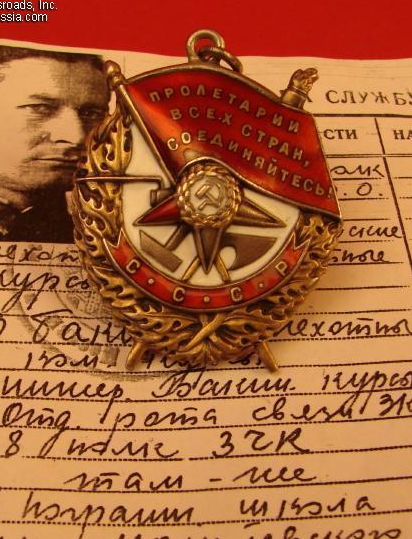
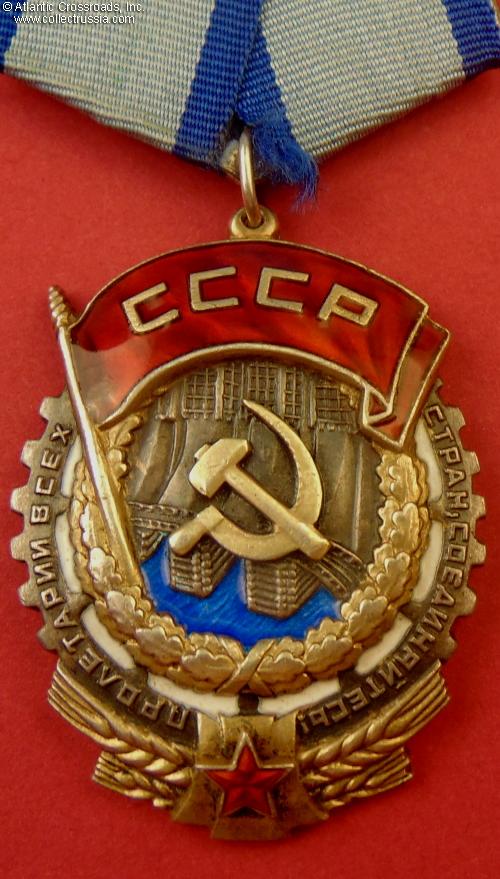
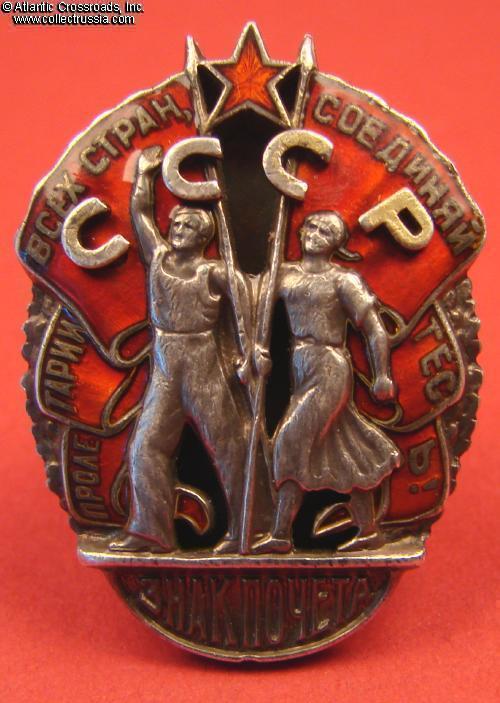
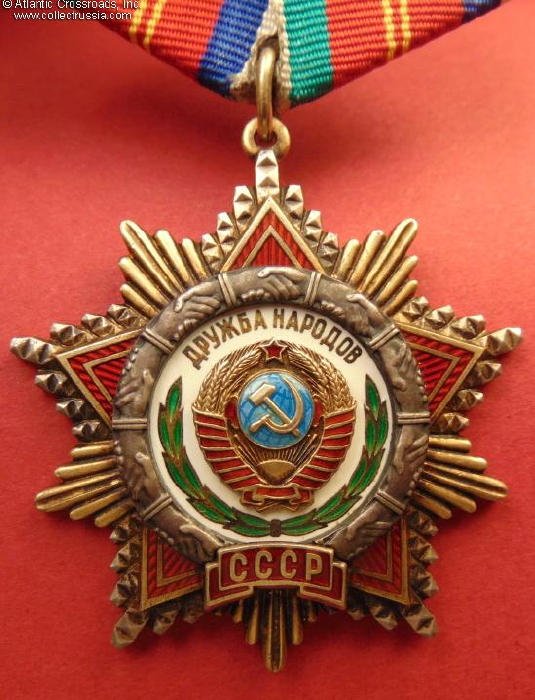
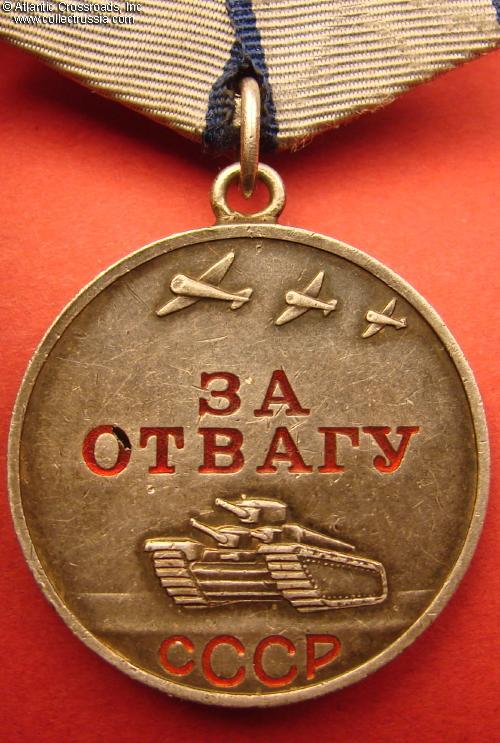
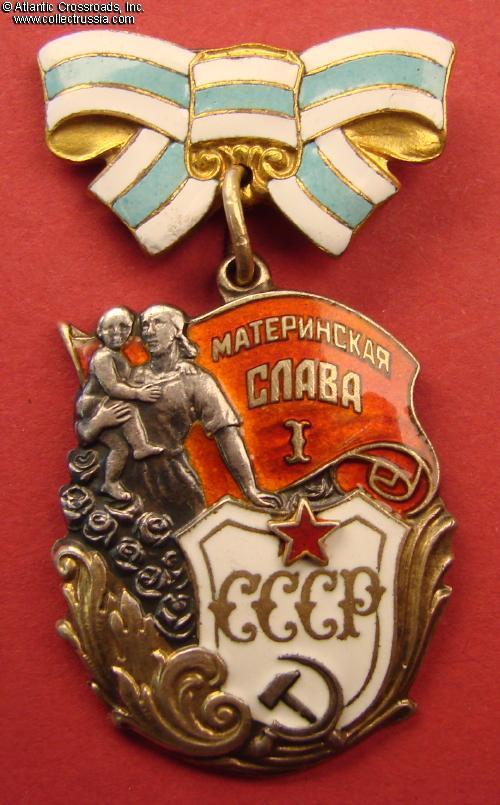
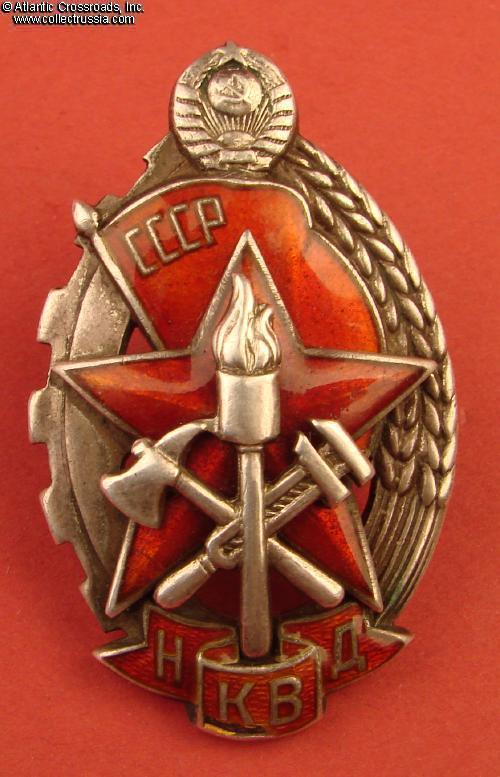




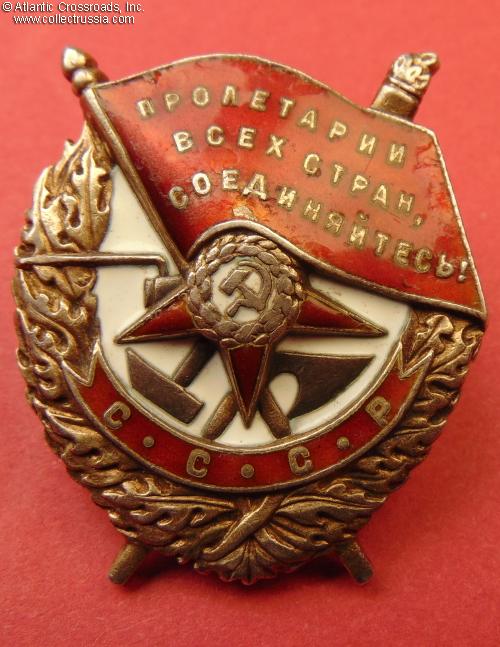
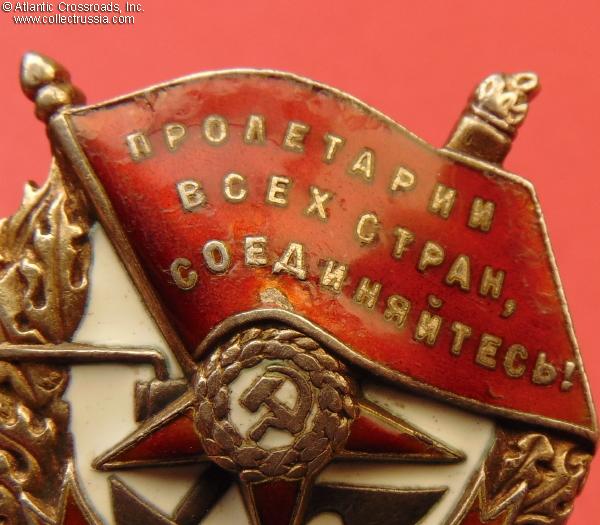
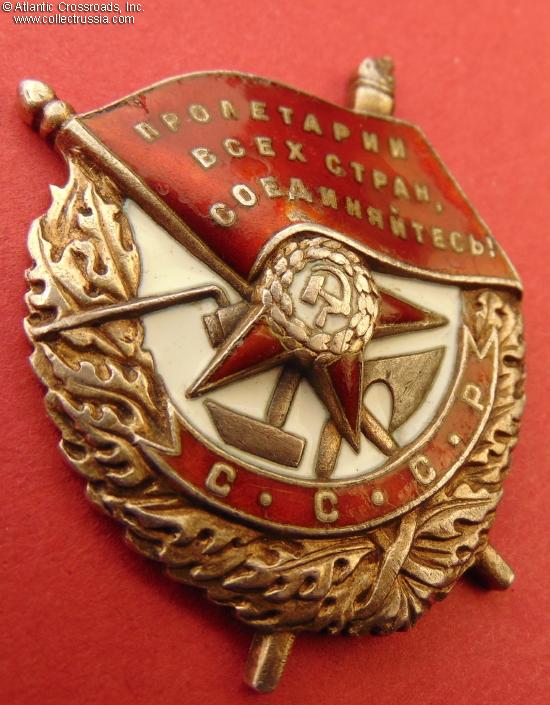
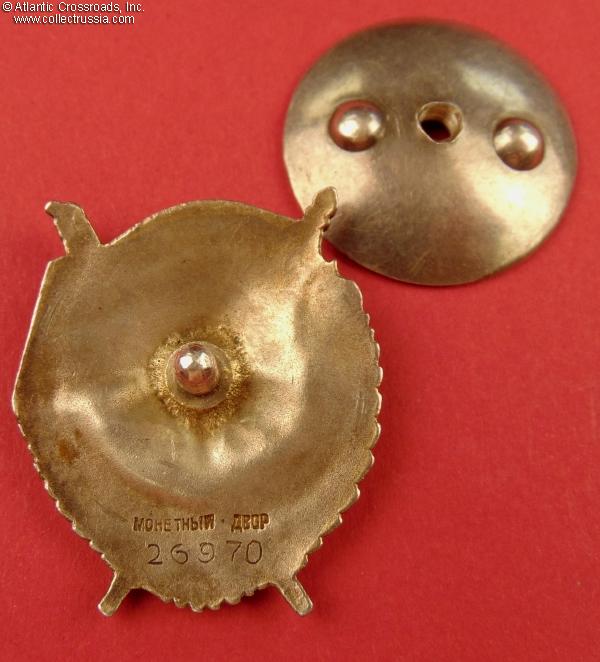
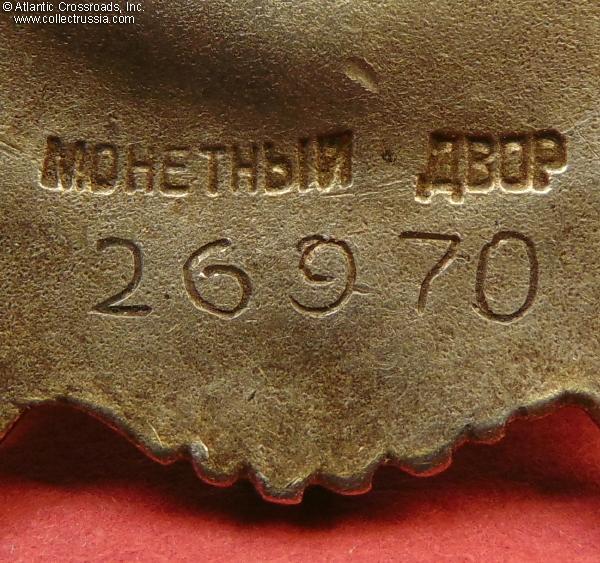


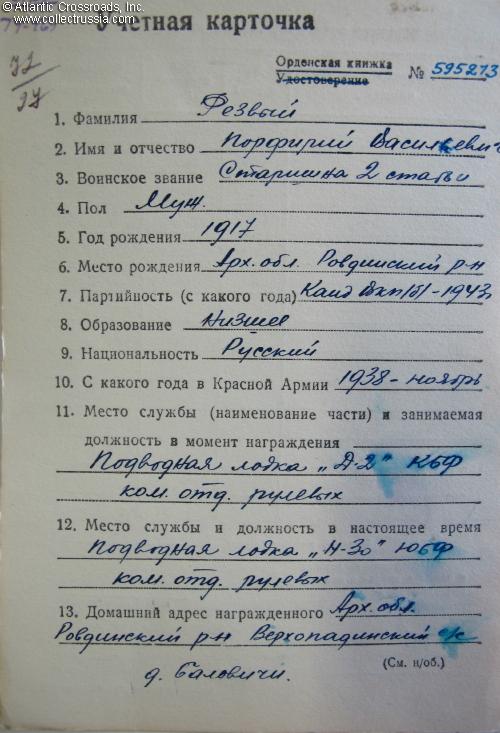
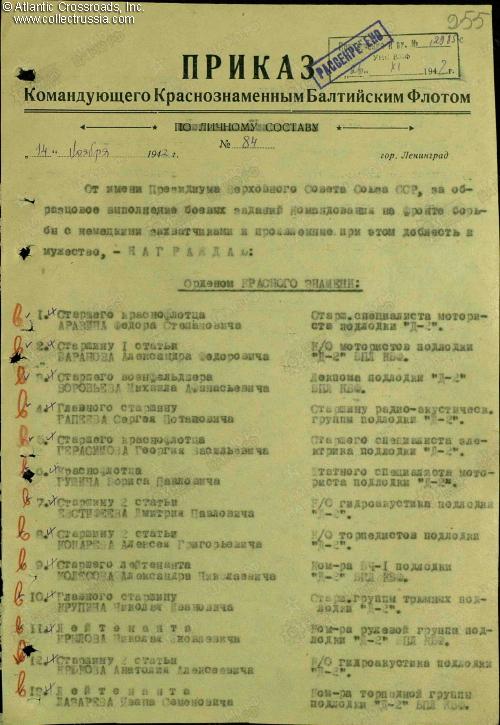
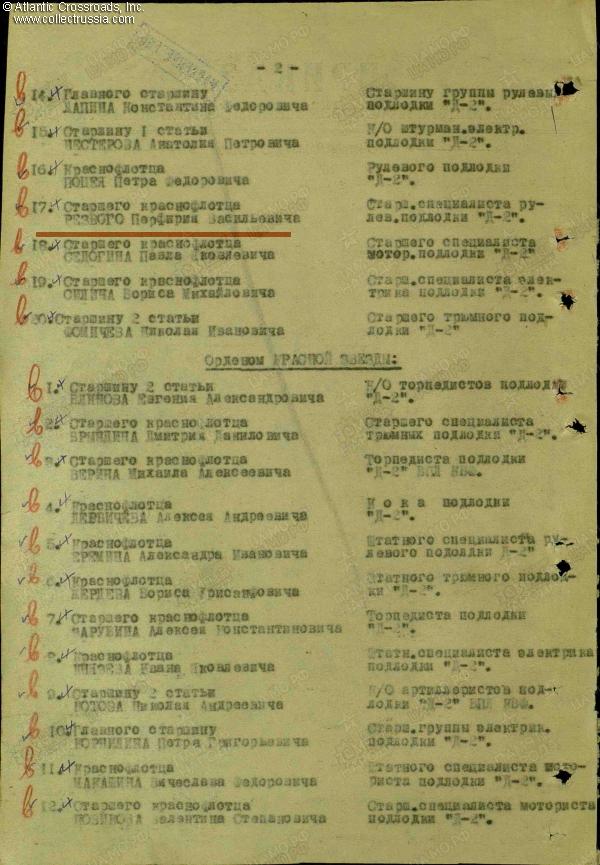




Order of the Red Banner, Type 2, Variation 3, Sub-variation 1, #26970, awarded on 14 November 1942 to Senior Seaman Porfiriy Rezvyi (Порфирий Васильевич Резвый), senior helmsman of submarine D-2, Baltic Fleet.
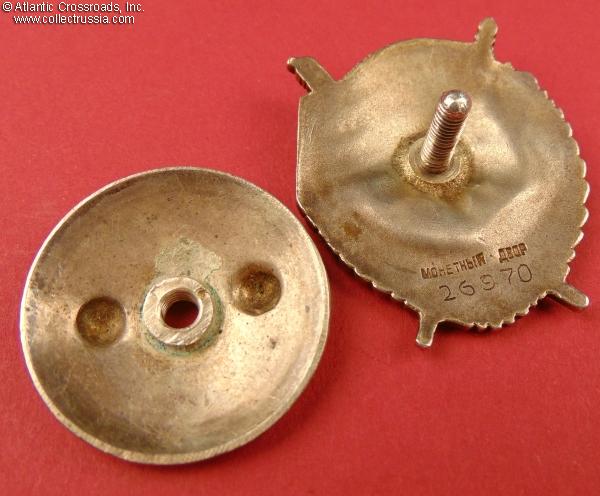
Silver gilt, enamels; measures 40.1 mm in height (from the top of the flag to the bottom of the wreath), 36.1 mm in width; weighs 23.5 g not including the screw plate. Features "geometric" style of the serial number engraving which is characteristic for its serial number range. According to Durov and Strekalov, this piece was manufactured in the early part of 1942 by the Krasnokamsk Mint. /V. Durov, N. Strekalov The Order of the Red Banner, p. 126/.
In very fine condition, well above the average for the screw back type. The enamel on the banner in particular is far be
Silver gilt, enamels; measures 40.1 mm in height (from the top of the flag to the bottom of the wreath), 36.1 mm in width; weighs 23.5 g not including the screw plate. Features "geometric" style of the serial number engraving which is characteristic for its serial number range. According to Durov and Strekalov, this piece was manufactured in the early part of 1942 by the Krasnokamsk Mint. /V. Durov, N. Strekalov The Order of the Red Banner, p. 126/.
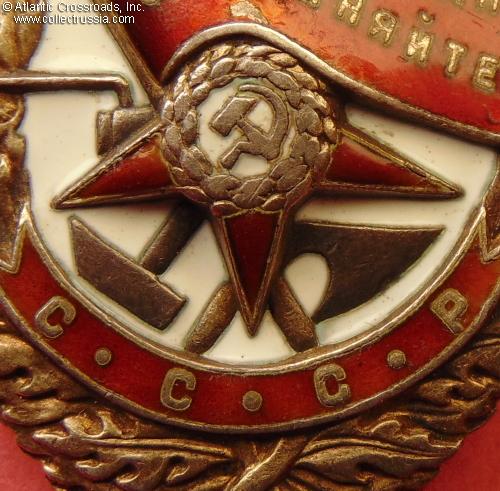
In very fine condition, well above the average for the screw back type. The enamel on the banner in particular is far better preserved than usual, having no significant losses: there is only a single tiny chip at the lower edge of the banner immediately above the central star and some relatively minor scratches and surface flakes, mostly along the edges. The red enamel on the star and plaque with "CCCP" has only surface flaking, no chips penetrating to silver; overall, both the star and plaque appear almost completely intact to the unaided eye. The white enamel has only a microscopic amount of surface flaking in the center medallion, invisible to the naked eye - otherwise perfect.
The details of the torch, flagpole and wreath are very well-preserved, showing almost no wear to the high points. A good amount of the original gilt finish is visible throughout. The order has not been converted to suspension and retains its original full-length screw post, over 13 mm long measured from its base, and comes with an original period screw plate in silver.
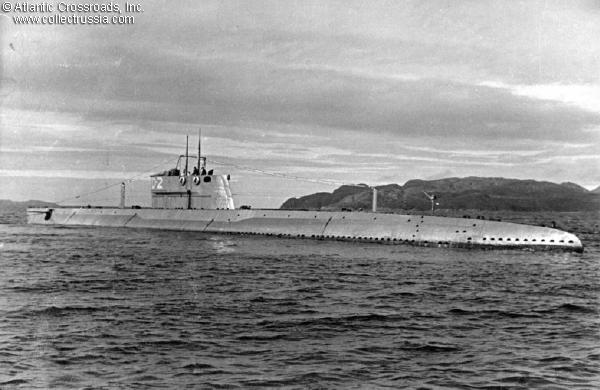
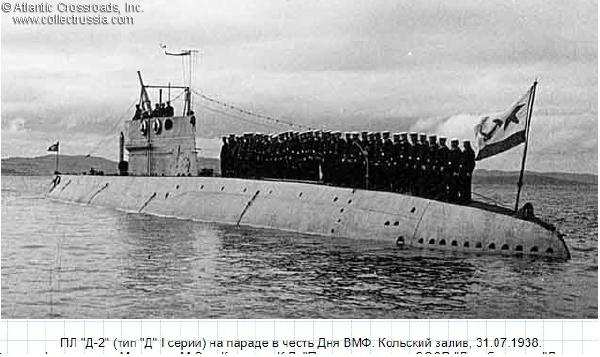
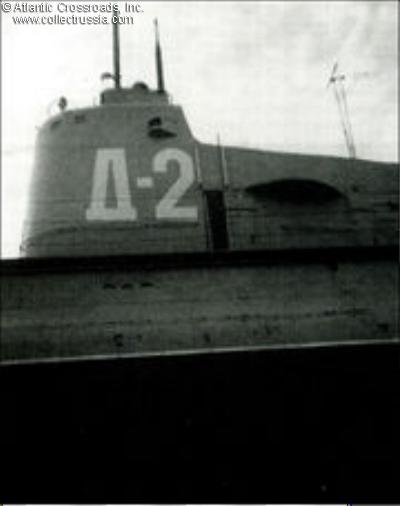
Porfiriy Rezvyi was born in 1917 in a village in the Arkhangelsk province of northern Russia. He was conscripted into the Soviet Navy in 1938 and got assigned to Submarine D-2 Narodovolets of the Northern Fleet. The D-2 was the second submarine of the "D" (Dekabrist) class, a pioneer of the Soviet submarine fleet, one of the first Soviet-designed and Soviet-built subs. Her construction was approved in 1926 and was done at the Leningrad Shipbuilding Yard #189. The launch took place in May 1929. In the summer of 1933, the Narodovolets went on her maiden voyage north from Leningrad to Murmansk via the just-completed Belomor Canal, joined the Northern Fleet and got her designation as the D-2. The sub completed several long-distance training missions in the Arctic, testing her durability, reliability, and endurance of the crew. The length of some of them set records of high-latitude navigation. In 1939, the D- 2 took part in a notable event assisting the famous non-stop flight from the USSR to the USA by the legendary Soviet test pilot Vladimir Kokkinaki, relaying radio transmissions.
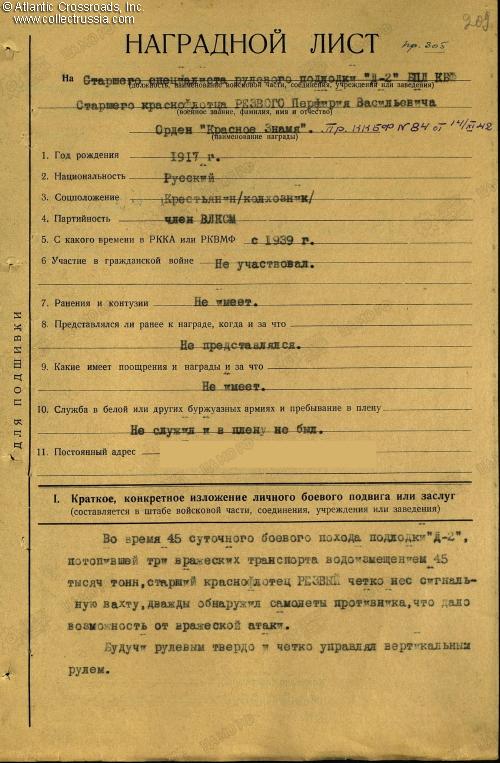
When the Patriotic War began on 22 June 1941, the D-2 was docked for repairs at Shipbuilding Yard #189 in Leningrad and was under 96% battle-ready; it could not return to the Northern Fleet in any case because the mouth of the Neva River was soon blocked by the Germans. The D-2 was thus added to the Baltic Fleet. The sub went on her first combat patrol on 23 September 1942. The very next day, the D- 2 got into a German anti-submarine net but managed to break out of it with a damaged rudder which then had to be repaired on the fly by a crew of 13 divers. After that rather inauspicious beginning, things turned for the better, and the submarine managed to torpedo and sink three enemy transport vessels with the total displacement of 45,000 tons. On the way back to the base, Lady Luck continued to smile at the D-2: on 29 October she was discovered by the enemy anti-submarine defense who dropped 48 depth bombs while chasing the submarine, all of them missing her. On 7 November, the D-2 returned to base in Kronshtadt.
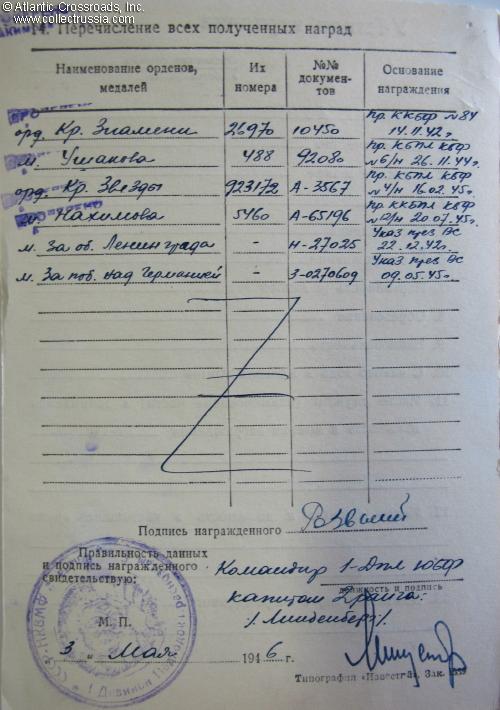
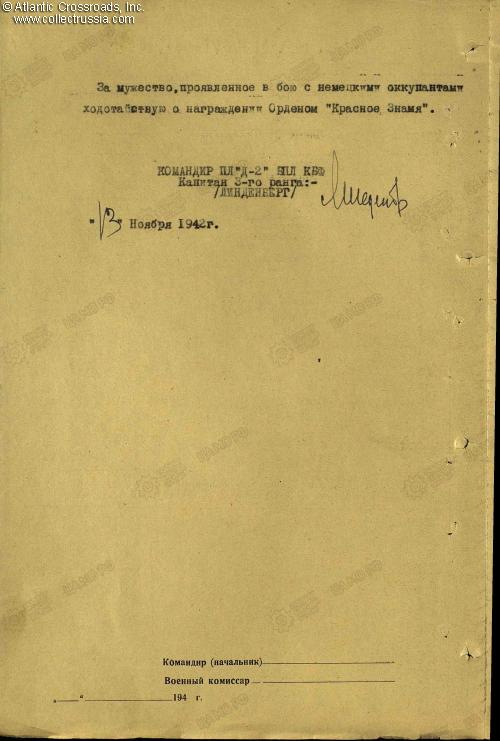
Senior Seaman Rezvyi was recommended for the Order of the Red Banner after this 45-day-long sortie, specifically for his skillful handling of the rudder which was damaged at the very beginning and which was probably not at 100% after the ad-hoc underwater repair. The order was awarded to Rezvyi on 14 November 1942.
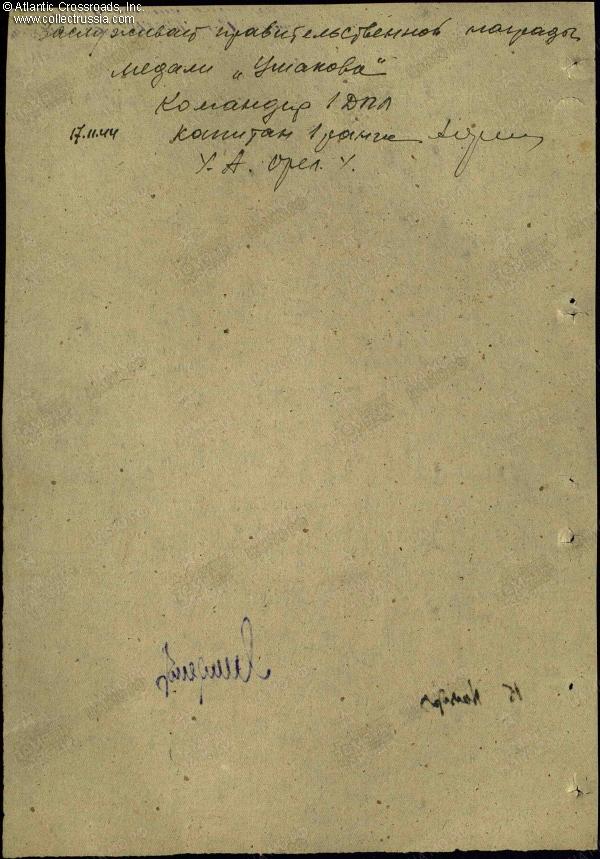
That was his first but by far not the last combat decoration. Skipping 1943 which the D-2 spent docked in Kronstadt, her next combat sortie began on 1 October 1944, months after the end of the Siege of Leningrad. While on a patrol mission, she was plagued by a series of mechanical failures. One of the trouble spots, the rudder, was directly Rezvyi's responsibility as the helmsman. The submarine had to surface for 30 minutes during daytime while the rudder was being repaired. On 26 October, the D-2 attacked a German convoy in the vicinity of the Papensee lighthouse. The submarine's commander Captain 2nd cl. Roman Lindenberg stated that he had watched through the periscope the sinking of the torpedoed transport vessel but this information was not confirmed in the German records. Following the torpedo attack, the D-2 was chased by the convoy's escorts. Five depth charges were dropped on the submarine; the explosions threw her against the sea bottom twice, which damaged the rudder again. The damage was more than what could be repaired while at sea, and the boat had to limp back to base. Presumably, the hardest task on the way back was to steer with the damaged rudder, but Senior Seaman Rezvyi handled it well and was recommended for the Ushakov Medal for his efforts. The medal was bestowed upon him on 26 November 1944.
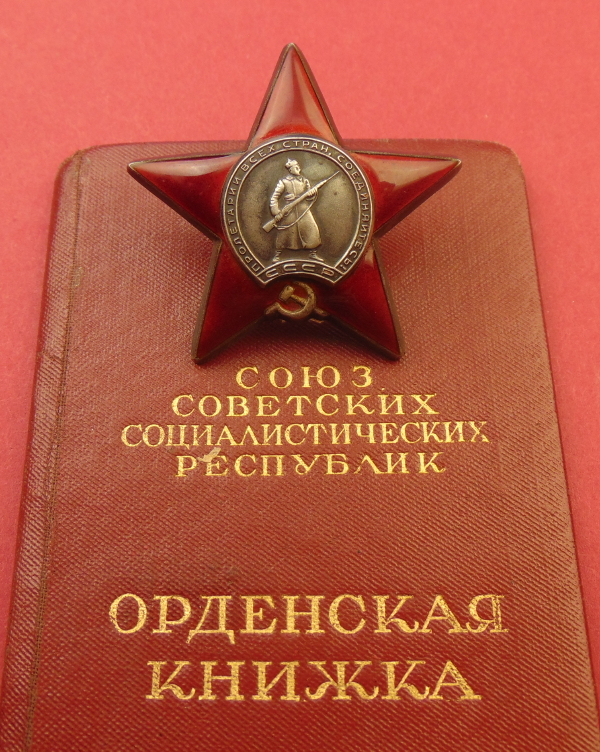
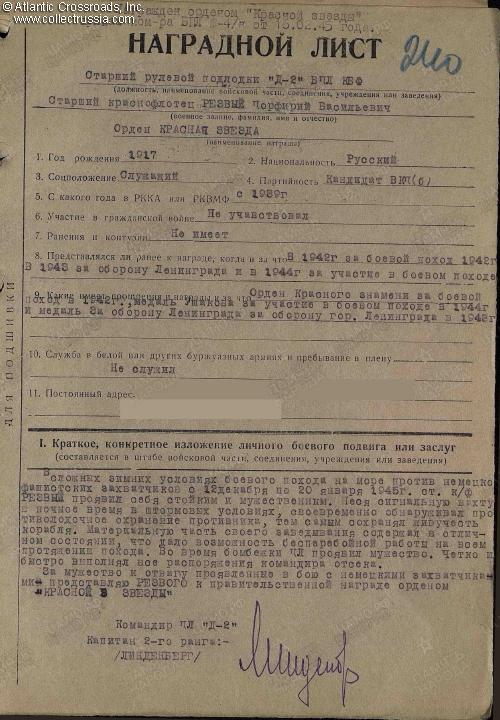
The next combat sortie, from 12 December 1944 to 20 January 1945, earned Rezvyi the Order of the Red Star. During her mission, the D- 2 made three torpedo attacks but even though the skipper reported sinking a transport ship on 29 December near the Latvian port of Libava (Liepaja), there was no confirmation of it in enemy records. The award commendation cites Rezvyi's excellent fulfillment of overwatch duty in difficult stormy winter conditions, noticing the enemy convoy escort ships in a timely manner which allowed the submarine to escape their pursuit. It also cites that Rezvyi maintained the rudder and diving planes in perfect working order, ensuring uninterrupted navigation throughout the sortie. The Order of the Red Star was awarded to him on 16 February 1945.
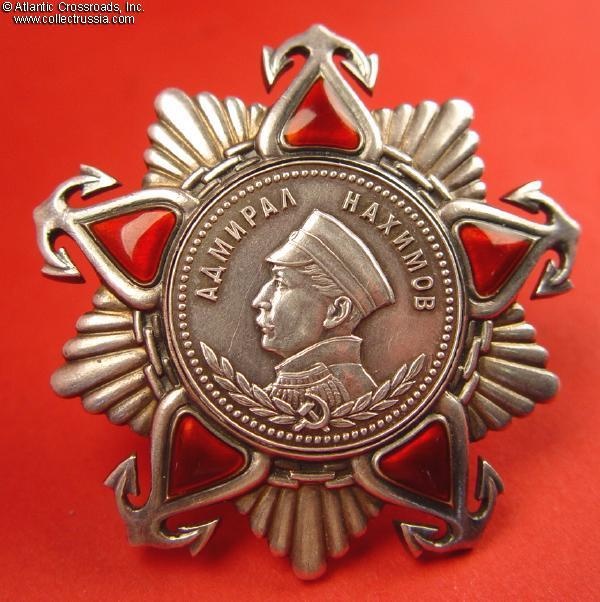
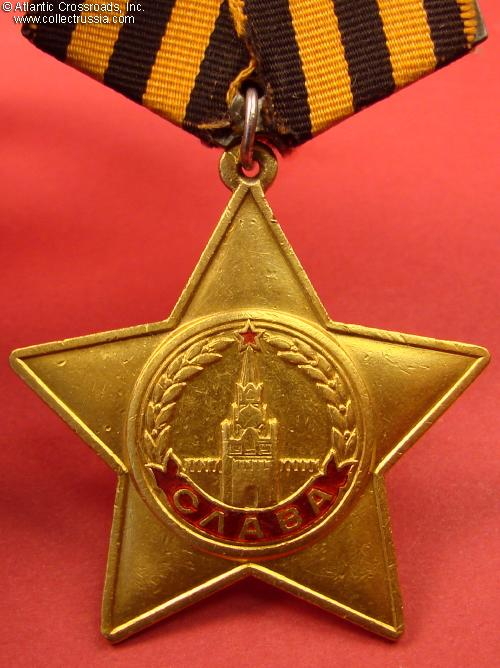
On 9 May 1945, the Victory Day, the D-2 was at sea on its fourth and last combat mission of the Patriotic War. The absence of any recorded kills suggests that it went relatively uneventfully, and the submarine made a successful return to base on 18 May 1945. Sr. Seaman Rezvyi's last wartime decoration was a cumulative award for his bravery and skill as helmsman in all four combat sorties. The submarine commander Lindenberg recommended Rezvyi for the Nakhimov Medal, which was awarded to him on 20 July 1945.
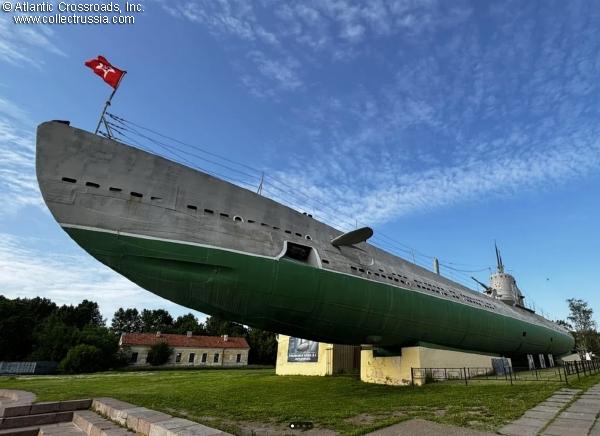
The kill tally earned by the D-2, modest as it may sound, and the very fact that she survived the entire war, was an unusually high achievement for a Soviet submarine. Many Baltic and Northern Fleet subs were destroyed by the Germans or fell victim to mines and accidents without ever scoring a single hit on the enemy. The attrition rate in both the Soviet subs and sailors lost at sea was especially high in the first two years of the Patriotic War; that of course makes the accomplishments of the D-2 even more remarkable by contrast. Its record was in fact so outstanding that in 1989, decades after the sub had been decommissioned following a long post-war career with the Baltic Fleet, it was installed near the Naval Glory Square in St. Petersburg as a part of the WW2 Russian sailors memorial complex. In 1993, a permanent museum exhibition was opened for the public onboard the sub and remains active to this day.
After the end of the Patriotic War, Porfiriy Rezvyi had the rank of Petty Officer 2nd cl. As of May 1946, he still served as the helmsmen section leader on the D-2. He was transferred to the reserves in April 1947.
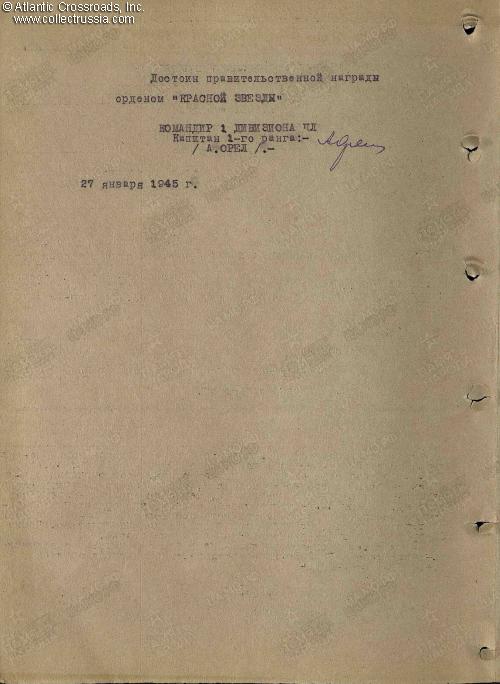
Research Materials: b/w copy of the award record card, award commendations for all four wartime decorations, and relevant part of the
award decree for the Order of the Red Banner. Ample information about the D-2 and many photos can be found on a number of Russian-
language websites such as ru.wikipedia.org and sovboat.ru.
$2,600.00 Add to cart